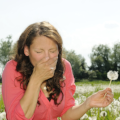
The substances that cause allergic reactions in humans are called "allergens". Allergens can pass from the respiratory tract (pollen, mold, house dust), oral (food, medicines) and skin (chemical substances, insect bites) to the human body.Atopic people are the most dusty in the spring, called flower dust. The little pollen can reach a person where the plant is away from the wind. Different plants are different allergic times (months). Wood dust is more common in February-May, grasses, wild and cultivated grass dusts in May-June show allergic effects in the middle of summer. People with polynosia are more comfortable in rainy weather.Indications of polynoids:
A prick-test allergic skin test is used to detect pollen allergy. Once the cause is identified, appropriate treatment is applied.If polynosia is not treated, the disease becomes more severe and this leads to the emergence of asthma. People with allergic reactions can be prevented or delayed by allergic symptoms.Allergic rhinitis is the inflammatory process of the nasal mucosa that can occur with the following symptoms:Nasal congestionNasal dischargeI did not understandSneeze
Alergic rhinitis is characterized by 2 forms:
Allergic rhinitis is allergic to fire fever. Allergic rhinitis is a common allergen. Household allergens may include household tobacco, scouring powder, cushion, and especially home grown products.For allergic rhinitis treatment, it is important to distinguish the cause first. Put it on the diagnostic prick-test. Then the treatment started.






 EN
EN  AZ
AZ RU
RU TR
TR