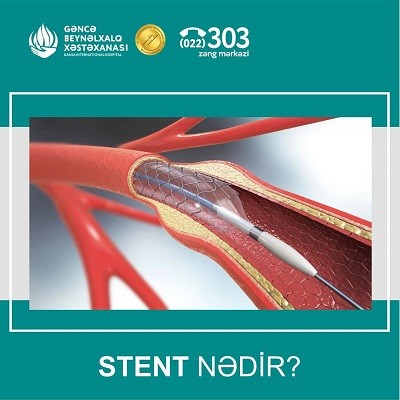
Interventional radiology is one of the divisions of the Radiology. The Interventional radiology has recently become one of the most highly developed areas of medicine. Most of the Interventional radiology surgeries are carried out mainly in the surgery rooms with angiographic equipment (from the Latin Angiografiya- angio-vein, graphia-render).
The Interventional radiologist - is the professional, who is conducting surgeries using the devices such as Angiography, CT, ultrasound and X-rays.
We successfully carry out most of the surgeries and the interventional radiology procedures practiced worldwide. In comparison with traditional surgeries, the interventional radiological surgeries are less risky and less traumatic. The advantages of the interventional radiological methods are the following: all the surgeries are conducted using the local anesthesia, and there is rarely a need for traditional anesthesia; it protects patients from the effects of traditional anesthesia and surgeries because it is conducted without surgical incisions and traditional anesthesia; rehabilitation period is short; patients are discharged soon and can return to their everyday lives; the interventional surgeries can be combined with surgery treatment; this method of treatment is the only one for some groups of diseases that do not have an alternative to this method; the Interventional radiological method can be repeated.








 EN
EN  AZ
AZ RU
RU TR
TR